Reply or Else: How Fans Turned Celebrity Silence Into a Social Media Crime
Not long ago, getting a glimpse of your favorite celebrity meant catching a late-night interview or spotting a blurry tabloid photo outside a coffee shop. That was the deal. They lived over there, you lived over here, and everyone understood the arrangement.
Then came Instagram. Then Twitter. Then TikTok. And somewhere between the first celebrity Q&A and the ten-thousandth "get ready with me" video, fans quietly rewrote the contract — without asking anyone's permission.
Now, silence isn't just silence. It's a statement. And fans are increasingly ready to treat it like one.
The New Expectation Economy
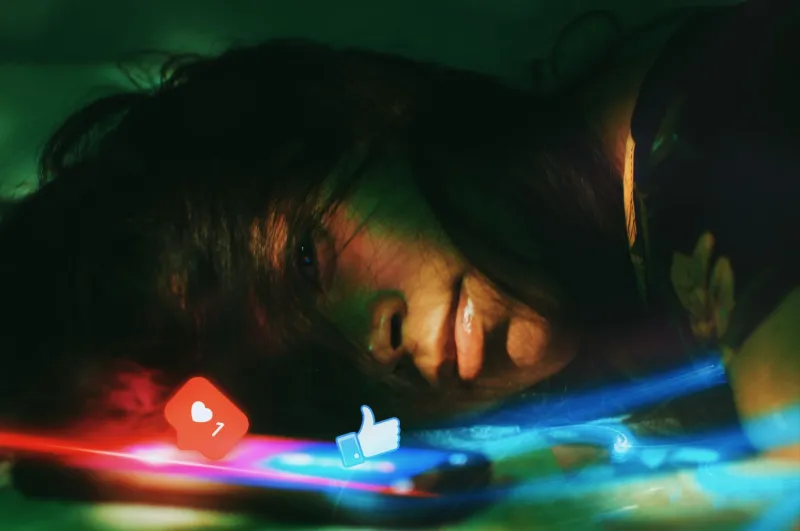
Here's the thing about parasocial relationships — they're built on the feeling of closeness, not actual proximity. When a celebrity posts a casual, unfiltered selfie at 11pm with a half-eaten bowl of cereal in the background, your brain doesn't file that under "carefully managed PR content." It files it under "my friend just texted me."
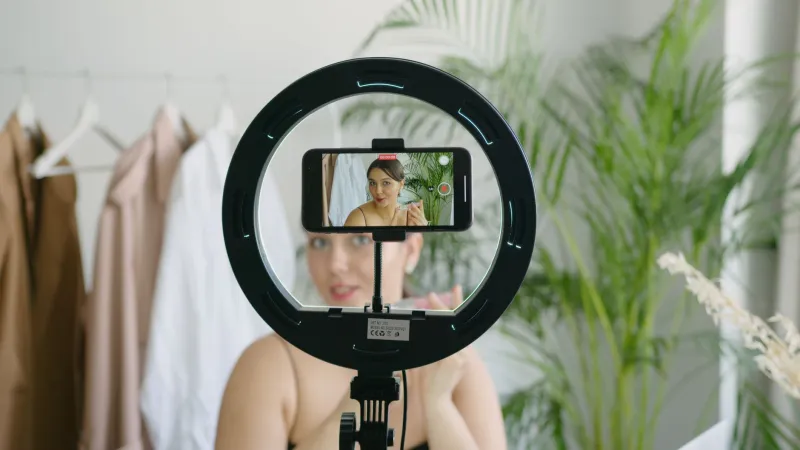
That's not an accident. The entire architecture of social media is designed to collapse the distance between creator and consumer. Platforms reward intimacy. Algorithms boost personal content. And celebrities — or their very well-paid social media teams — learned fast that vulnerability performs better than polish.
The catch? Once you invite someone into your living room, metaphorically speaking, they start to feel like they live there. And when you stop responding to them, it feels less like a celebrity being busy and more like a friend ghosting you.
Psychologists have a name for this kind of one-sided relationship: parasocial interaction. But what's new isn't the phenomenon itself — it's the expectation of reciprocity that's now baked into it. Fans don't just want to watch their faves anymore. They want to be seen by them.
The DM That Changes Everything
Ask any fan who's ever received a reply from a celebrity they love, and they'll remember the exact timestamp. It doesn't matter if it was a single emoji. It doesn't matter if it was clearly a PR intern running the account. That moment of acknowledgment — real or perceived — is chemically significant. It activates the same reward pathways as any genuine social validation.
This is why fan communities have developed entire hierarchies around celebrity interaction. Being "noticed" is currency. Screenshots of replies get shared like breaking news. There are Reddit threads dedicated to cataloging which celebrities are "good" at engaging with fans and which ones treat their comment sections like a one-way broadcast channel.
And increasingly, "good at engaging" isn't a bonus quality — it's a baseline expectation. Especially for influencers and smaller celebrities who built their platforms on that intimacy. Their whole pitch was: I'm not like those other famous people. I'm real with you. Walking back from that promise is where things get messy.
When the Performance Slips
There's a specific kind of fan disappointment that's emerged in the last few years, and it's sharper than the old-school variety. It's not just "my fave didn't notice me." It's "my fave lied about who they are."
When a creator who built their brand on being "authentic" and "community-first" starts missing fan comments, skipping live streams, or outsourcing their engagement to a management team, their audience notices. And they don't always handle it quietly.
Fan-shaming culture — calling out celebrities for perceived neglect of their fanbase — has become its own genre of online content. You'll find it on stan Twitter, in YouTube commentary videos, in TikTok stitches where creators read out receipts of ignored DMs. The tone isn't always cruel, but it is pointed. You said you were different. Prove it.
Some of this is genuinely unfair. The math alone makes universal engagement impossible — an artist with three million followers cannot personally respond to every comment without losing their mind or their career. But the emotional logic of the fan isn't about math. It's about meaning. And meaning is hard to scale.
The Celebrities Who Got It Right (And the Ones Who Didn't)
Some public figures have found surprisingly sustainable ways to navigate this. Taylor Swift built an entire mythology around "Swiftie" recognition — leaving Easter eggs in posts, surprise-following fans, showing up in comment sections at random. It's theatrical, sure, but it's also effective. Even fans who never receive direct contact feel like they could, and that possibility is enough to sustain the relationship.
Others have leaned into scheduled intimacy: monthly fan Q&As, subscriber-only Discord servers, Patreon tiers where higher payments unlock actual access. It's a commodification of closeness, but audiences often accept it because at least it's honest about the transaction.
Then there are the cautionary tales. Artists who went dark after a controversy and lost massive followings not because of the original issue, but because their silence read as indifference. Influencers who pivoted to a more "professional" aesthetic after years of raw content and discovered their audience didn't follow them to the polished version. The lesson, repeated over and over: in the attention economy, disappearing is never neutral.
What We Actually Want From Famous Strangers
Step back from the drama for a second and the underlying dynamic is kind of poignant. People are lonely. Community is harder to find than it used to be. And parasocial relationships — for all their lopsidedness — genuinely fill a gap for a lot of people. The parasocial connection isn't a delusion. It's a real emotional experience, even if the other person doesn't know you exist.
The problem is that social media accidentally made it feel like a two-way street when it's still, structurally, mostly a one-way one. Celebrities can perform closeness at scale, but they can't actually deliver it at scale. And fans, wired to crave recognition, are left chasing an acknowledgment that statistically will never come.
That's not entirely the celebrity's fault. But it's also not entirely the fan's fault for wanting it. It's a design problem — one that platforms have zero financial incentive to fix, because the yearning is what keeps everyone scrolling.
The Pulse Check
So where does this leave us? Somewhere complicated. Fans are more empowered than ever to hold celebrities accountable for the personas they perform online. That's not nothing — it's pushed some creators toward genuine transparency and real community-building.
But it's also created a culture where silence is criminalized, where celebrities are expected to perform intimacy on demand, and where the failure to do so becomes content in itself. That's an exhausting standard for everyone involved — including the fans doing the demanding.
Maybe the next evolution isn't fans expecting more from celebrities. Maybe it's all of us getting a little more honest about what these relationships actually are, what they can realistically offer, and where to look when we need the real thing.