Done With You: The Quiet Epidemic of Fans Walking Away From Their Faves
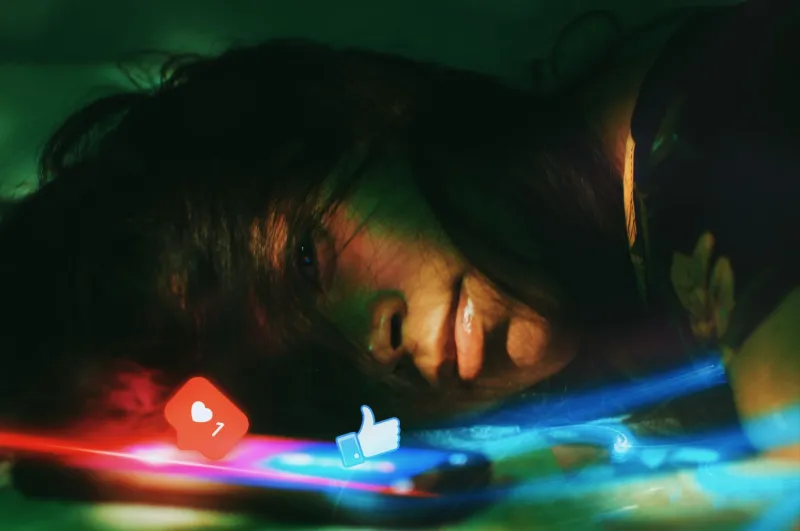
There's a particular kind of grief that doesn't come with a funeral or a sympathy card. It hits somewhere between scrolling past a post you used to obsess over and realizing you just... don't care anymore. No dramatic announcement. No final words. Just a quiet unfollow, a muted story, and the slow exhale of someone who finally let go.
Welcome to the parasocial breakup — one of the most emotionally complicated and underreported phenomena in the current digital landscape. And it's happening more than you think.
It Was Never Really a Friendship (But It Felt Like One)
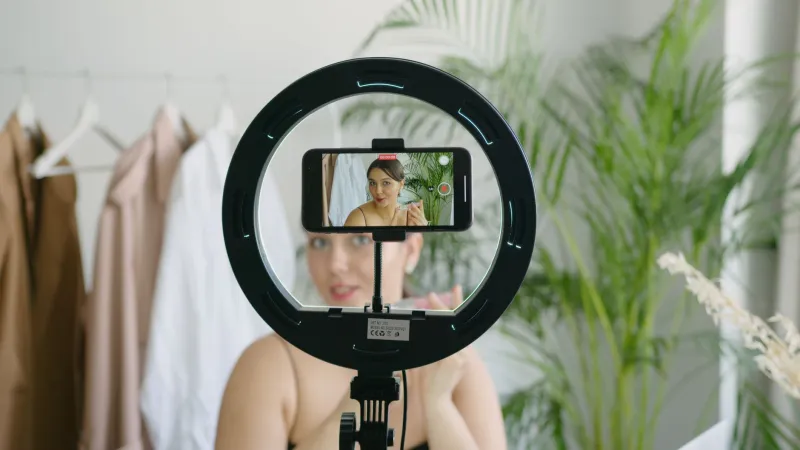
For years, celebrities and influencers have built their brands on intimacy. The morning routine vlogs, the "no filter" confessionals, the "I feel like I can tell you guys anything" energy — all of it was engineered, consciously or not, to make fans feel like insiders. Like they knew this person.
Psychologists call it a parasocial relationship: a one-sided emotional bond where the audience member invests real feelings into someone who doesn't know they exist. It's not new — people cried over Elvis and wrote fan letters to soap opera actors for decades. But social media turbocharged the whole thing. Suddenly, your favorite creator was in your bedroom every morning, commenting on their own comment sections, replying to DMs, and making you feel like you were genuinely part of their world.
The problem? That sense of closeness was always conditional on the creator being who you needed them to be.
When the Illusion Cracks
The unfollow doesn't usually happen all at once. It's more like a slow erosion. Maybe your favorite beauty influencer got caught using a filter they swore they never touched. Maybe a musician you defended online turned out to have said something genuinely awful five years ago — and the receipts just surfaced. Maybe a podcast host you listened to every week started pushing supplements and political opinions you didn't sign up for.
Or maybe nothing scandalous happened at all. Maybe you just grew up, and they didn't grow with you.
All of these scenarios are playing out in real time across platforms like Instagram, TikTok, and YouTube, and the consequences are measurable. Subscriber counts dip. Engagement tanks. Brand deals quietly disappear. The comment sections — once flooded with heart emojis — go weirdly cold.
High-profile examples aren't hard to find. Several mega-influencers who built their audiences on "authentic" lifestyle content have watched their followings plateau or shrink after controversies ranging from tone-deaf behavior during social justice moments to messy public feuds that made fans feel manipulated. Some celebrities have seen entire fan bases fracture almost overnight when private behavior went public in ways that felt like a betrayal of the persona people had invested in.
The Transactional Turn
Here's what's genuinely new about this moment: fans are increasingly treating their attention like a currency — and they're becoming far more deliberate about where they spend it.
Older models of fandom were almost unconditionally loyal. You rode for your favorite no matter what, and criticism from outsiders only made you dig in harder. That's shifting, particularly among younger audiences who grew up with the internet and have a much more sophisticated understanding of how the creator economy actually works.
They know the sponsored posts are ads. They know the "authentic" moment was probably filmed three times. They understand that their watch time is literally money in someone else's pocket. And when they feel like that exchange isn't fair — when the creator stops delivering value, or reveals themselves to be someone the fan can't respect — the calculation changes fast.
This doesn't mean fans are cold or cynical. If anything, the emotional investment is still very real. That's what makes the breakup hurt. But the terms of engagement have quietly rewritten themselves, and creators who built their brands on performing closeness are finding out the hard way that performed closeness has an expiration date.
The Grief Nobody Talks About
What makes the parasocial breakup genuinely strange is how much it can sting — for both sides.
For fans, walking away from a creator they've followed for years can feel surprisingly like ending a real relationship. There's the nostalgia for who that person used to be (or seemed to be). There's the weird guilt of feeling like you're abandoning someone, even though they have no idea you exist. There's the identity piece, too — if you built part of your personality around loving this person's content, who are you now that you don't?
For creators, the emotional toll is different but no less real. Many have spoken openly about the disorienting experience of watching loyal audiences turn. The comment sections that once felt like community can become brutal overnight. And because so much of a creator's income is tied directly to audience size and engagement, the parasocial breakup isn't just emotional — it has very real financial teeth.
What Creators Are Getting Wrong
The ones who handle audience shifts the worst tend to make the same mistakes. They either double down on the persona that's no longer working, hoping nostalgia will carry them through. Or they overcorrect with a dramatic "I've changed" narrative that feels performative — which, ironically, accelerates the distrust.
The creators who navigate it best are usually the ones who acknowledge the shift honestly without making it a whole production. They evolve in public, let their content grow with them, and treat their audiences like adults who can handle nuance. It's not a guaranteed save, but it at least leaves the door open.
The deeper lesson might be this: any relationship built on a curated performance is going to struggle the moment the curtain slips. And in 2025, the curtain is always slipping.
The Unfollow as an Act of Self-Respect
There's something worth honoring in the quiet unfollow, actually. For a lot of people, walking away from a creator they've outgrown — or who turned out to be different than advertised — is a small but meaningful act of self-awareness. It's recognizing that your attention is valuable, that your emotional energy matters, and that you don't owe loyalty to someone who was never really in the room with you to begin with.
The parasocial breakup doesn't make you a bad fan. It might just make you an honest one.
And in an entertainment landscape that runs on manufactured intimacy, a little honesty might be the most radical thing of all.