Fans Are Done Being Quiet: How Gen Z Turned Standom Into a Two-Way Street
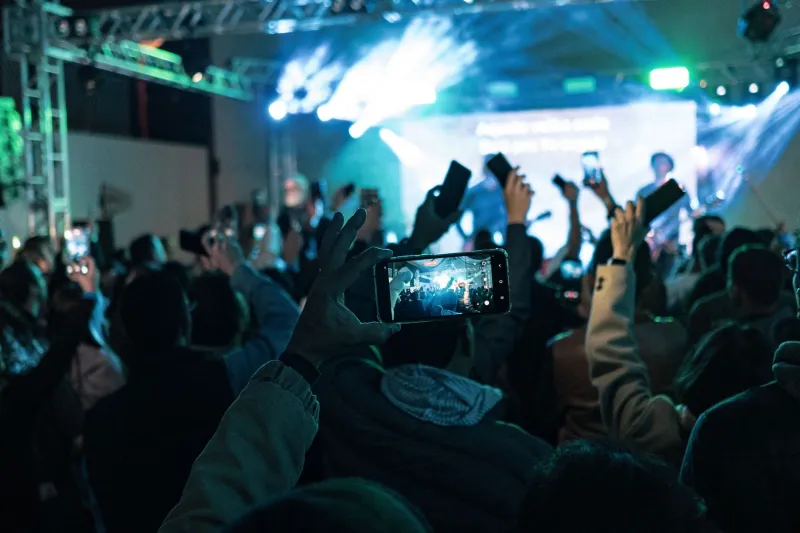
There used to be an unspoken agreement between celebrities and their fans. Fans gave attention, money, and loyalty. Celebrities gave performances, interviews, and the occasional wave from a car window. The relationship was inherently lopsided, and everyone kind of just... accepted it.
Then Gen Z showed up and blew the whole thing wide open.
Today's fans aren't just watching from the sidelines. They're organizing, documenting, and holding their favorite artists, actors, and influencers to a standard that would've seemed completely wild even ten years ago. The parasocial relationship — that one-sided emotional bond where you feel like you know someone who definitely doesn't know you exist — hasn't disappeared. It's just gotten a lot more complicated.
What Changed, Exactly?
The short answer is social media. But that's almost too easy, because the way social media changed things matters as much as the fact that it did.
Platforms like Twitter (now X), TikTok, and Instagram didn't just give fans a place to gush about their favorites. They gave fans a direct line. Suddenly, a comment could reach a celebrity. A post could go viral. A coordinated hashtag could land on the front page of entertainment news by noon. The megaphone that used to belong exclusively to PR teams and entertainment journalists now lives in everyone's pocket.
Gen Z, who grew up with that megaphone, learned quickly that it could be used for more than fan art and concert countdowns. It could actually do something.
The Psychology Behind the Call-Out
Here's the thing about parasocial relationships — they feel real, even when they aren't reciprocal. Psychologists have noted for years that the brain processes these one-sided bonds similarly to genuine friendships. You invest emotionally. You root for someone. You feel like you understand them.
So when that person does something that contradicts the image you've built of them in your head? The betrayal hits hard. Maybe harder than it logically should, but that doesn't make it any less real.
For older generations, the typical response was quiet disappointment or just moving on. For Gen Z, it's documentation. Screenshots. Thread breakdowns. Quote tweets with timestamps. The culture of receipts isn't just about drama — it's about holding the record straight in a media landscape where celebrities and their teams can easily spin or bury a narrative.
There's also a values dimension here that can't be overstated. Gen Z consistently ranks authenticity as one of the most important traits in the people they follow. When a celebrity's public persona clashes with their private behavior, it doesn't just feel disappointing — it feels like a lie. And Gen Z has little patience for being lied to.
When Fan Pressure Actually Works
Skeptical that any of this matters? The receipts say otherwise.
Take the wave of fan-led accountability that swept through the music industry in recent years. When detailed allegations surfaced about certain artists on platforms like Tumblr and later TikTok, fan communities didn't wait for music publications to cover the story. They became the story, amplifying voices that traditional media had previously ignored. The resulting pressure led to dropped label deals, canceled tours, and public statements that wouldn't have happened without sustained fan organizing.
On a different scale, K-pop fandoms — which have a significant and growing US audience — have essentially built a blueprint for collective fan action. BTS's ARMY famously crashed a Dallas police department's app by flooding it with fancam videos after the department asked people to submit protest footage during the 2020 Black Lives Matter demonstrations. That's not just standom. That's coordinated digital activism with a parasocial origin story.
Brands are paying attention too. Companies that partner with celebrities now factor in fan sentiment as a genuine risk variable. A celebrity endorsement that turns toxic after a public call-out can tank a campaign overnight. Several major brands have quietly walked back partnerships in response to fan-generated pressure, even when the celebrity in question hadn't faced any formal consequences.
The Line Between Accountability and Mob Mentality
It's worth pausing here, because not every call-out lands cleanly on the right side of history.
The same tools that helped expose genuine misconduct have also been used to pile on celebrities for comparatively minor offenses — an awkward interview answer, a years-old tweet taken out of context, or a fashion choice that someone decided was culturally insensitive. The speed of the pile-on often outpaces any actual investigation, and the emotional intensity of parasocial bonds can make fans feel justified in behavior that, from the outside, looks a lot like harassment.
Gen Z is actually pretty aware of this tension, maybe more than they're given credit for. There's a running internal debate in many fan communities about when a call-out is warranted versus when it tips into targeted cruelty. The phrase "holding accountable" gets interrogated regularly in these spaces, with fans pushing back on each other when the energy feels less like justice and more like sport.
That self-awareness doesn't always win out in the moment. But it exists, and it matters.
Celebrities Are Adapting — Whether They Want to or Not
The smarter celebrities have started treating their fan bases less like audiences and more like stakeholders. That's not a cynical observation — it's just accurate. Taylor Swift's ongoing strategy of directly engaging with fan communities, leaving Easter eggs, and acknowledging fan theories isn't just good branding. It's a recognition that her fans feel ownership over the relationship, and that pretending otherwise would be a mistake.
Other celebrities have learned the lesson the hard way. Public figures who've tried to dismiss or mock fan criticism have often found that the backlash amplifies rather than fades. The old playbook — ignore it, wait for it to blow over — works a lot less reliably when the criticism lives in searchable, shareable, permanently archived posts.
Publicists are increasingly advising clients to engage thoughtfully rather than deflect. Some celebrities have issued genuine apologies — not the classic non-apology apology, but actual acknowledgments of specific behavior — and seen their fan relationships recover, sometimes even strengthen. Accountability, it turns out, can be a brand asset if handled with any real sincerity.
What This Means Going Forward
The parasocial relationship isn't going anywhere. If anything, the rise of parasocial-native platforms like Patreon, Substack, and streaming services where creators talk directly into a camera for hours has made these bonds even more intense. Fans feel closer than ever to the people they follow.
But the terms have shifted permanently. The idea that celebrity status should come with a shield from public criticism, or that fan loyalty is unconditional, belongs to a different era. Gen Z didn't just inherit the entertainment industry's relationship with fame — they're actively rewriting it.
The pulse of pop culture has always moved fast. Right now, it's moving in a direction that puts fans in the room where decisions get made. Whether that's a good thing probably depends on which side of the call-out you're standing on.