Selling You a Best Friend: The Billion-Dollar Business of Fake Closeness Online
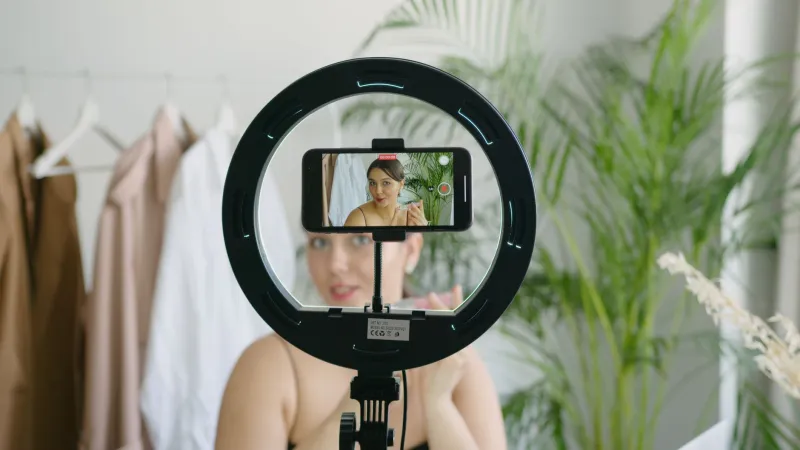
Somewhere between a streamer whispering "good morning" to their chat and a YouTuber casually mentioning your name during a Patreon shoutout, something shifted in the creator economy. What used to be a nice side effect of building an audience — that warm, fuzzy feeling of knowing someone through a screen — quietly became the product itself. And people are paying real money for it.
Welcome to the parasocial paycheck. It's not new, but it's never been this sophisticated, this scalable, or this ethically murky.
The Architecture of Artificial Intimacy
Let's be honest about what's actually happening here. When a creator films themselves crying over a breakup, or shares their morning routine in grainy, unfiltered footage, or drops into their Discord to answer DMs at 11 p.m. — they're not just being authentic. They're building infrastructure. Every vulnerability disclosed, every inside joke established, every "just between us" moment is a brick in a relationship that only exists on one side of the screen.
The audience feels close. The creator, managing hundreds of thousands of these "relationships" simultaneously, cannot possibly reciprocate. That's not a moral failing — it's just math. But it is a design choice.
And increasingly, that design choice comes with a price tag attached.
Patreon tiers at $15 a month for "exclusive behind-the-scenes content." Discord servers with $25 "inner circle" channels where the creator occasionally pops in. Twitch subscriptions bundled with the promise of direct interaction. Cameo videos. Merch drops that feel like a personal favor. The whole ecosystem is built on the premise that closeness can be purchased — and that fans will keep paying as long as the illusion holds.
What Fans Are Actually Buying
Here's the thing that makes this complicated: the people buying in aren't naive. Most of them know, on some level, that their favorite streamer doesn't actually know them. But that doesn't make the emotional experience less real. Human brains aren't great at distinguishing between parasocial bonds and genuine ones — we're wired to feel connected to people we observe regularly, even when the observation is entirely one-directional.
So when someone pays $20 a month to access a creator's Patreon, they're not buying friendship in a literal sense. They're buying the feeling of proximity. Access to a slightly more unfiltered version of someone they already feel emotionally attached to. That's a legitimate emotional need, and there's nothing inherently wrong with wanting to meet it.
What gets thorny is when creators know exactly how that dynamic works — and engineer it deliberately, with the revenue model already in mind.
There's a meaningful difference between a creator who genuinely shares their life and happens to monetize their platform, and one who strategically deploys vulnerability as a conversion funnel. The line between the two is blurry, often invisible to the audience, and almost never discussed openly.
When the Illusion Cracks
Ask anyone who's been deep in a creator's community when something goes wrong. The fallout isn't just disappointment — it feels like betrayal. Fans who paid for exclusive access and then watched their favorite creator go cold, pivot to a new audience, or get caught in a scandal don't just feel let down. They feel lied to, even if no explicit lie was ever told.
That's the emotional risk baked into this whole model. The closer a creator makes you feel, the harder the landing when reality reasserts itself.
Recent years have seen a wave of these moments — streamers who built their entire brand around parasocial warmth suddenly ghosting their Patreon subscribers, influencers whose "authentic" personas turned out to be carefully managed PR, Discord communities that quietly shifted from fan spaces to sales pipelines. Each one leaves behind a comment section full of people who feel, in their own words, like they were scammed — not financially, necessarily, but emotionally.
That's a new kind of consumer harm that doesn't fit neatly into existing frameworks. The FTC can regulate undisclosed sponsorships. Nobody's figured out how to regulate selling intimacy you don't actually have.
The Creators Doing It Differently
Not everyone in this space is running the same playbook. There's a growing cohort of creators who are weirdly transparent about the parasocial dynamic — who openly acknowledge the one-sidedness of the relationship, set boundaries with their audience, and build monetization around their work rather than their accessibility.
They still have devoted fanbases. They still make money. But the relationship is framed differently from the start. Fans aren't paying to be closer to a person — they're supporting a creative project they believe in. That's a subtle but significant reframe, and it tends to produce communities that are both healthier and more loyal long-term.
It's also, notably, harder to scale. The fake-closeness model works precisely because it can be applied to massive audiences simultaneously. Genuine transparency about the limits of the relationship requires a different kind of emotional labor — one that doesn't compress as easily.
Reshaping What Friendship Even Means
Zoom out from the individual creator economy for a second, and something bigger starts to come into focus. Millions of people — particularly younger Americans who grew up alongside YouTube and Twitch — have spent formative years in parasocial relationships that mimic the emotional texture of real friendship without the reciprocity. That's not a small thing.
When you've been "close" to a creator for three years, watched them through breakups and career pivots and late-night rants, it rewires your expectations a little. What does actual friendship feel like in comparison? Real friends are messier, less consistent, less entertaining. They don't always show up when you need them to. They don't have a highlight reel.
Some researchers are starting to ask whether parasocial relationships are filling a genuine social gap for people who struggle with in-person connection — or whether they're making that gap wider by offering a low-friction substitute that satisfies the craving without building the skills.
The honest answer is probably both, depending on the person and how the relationship is structured.
The Pulse Check
None of this means you should cancel your Patreon subscriptions or log off forever. The creator economy produces genuinely valuable stuff, and plenty of creators are building real communities with real integrity. But it's worth going in with your eyes open.
When a creator makes you feel seen, ask yourself: what are they getting from this moment? When you're about to upgrade your subscription tier for "closer access," consider what you're actually buying. And when something feels too warm, too personal, too perfectly calibrated to your emotional needs — that's not necessarily a red flag, but it's worth a pause.
The parasocial paycheck is real, it's growing, and it's not going anywhere. The least we can do is understand the transaction we're in.