Performing Real: The Uncomfortable Truth About Gen Z's Obsession With Authenticity
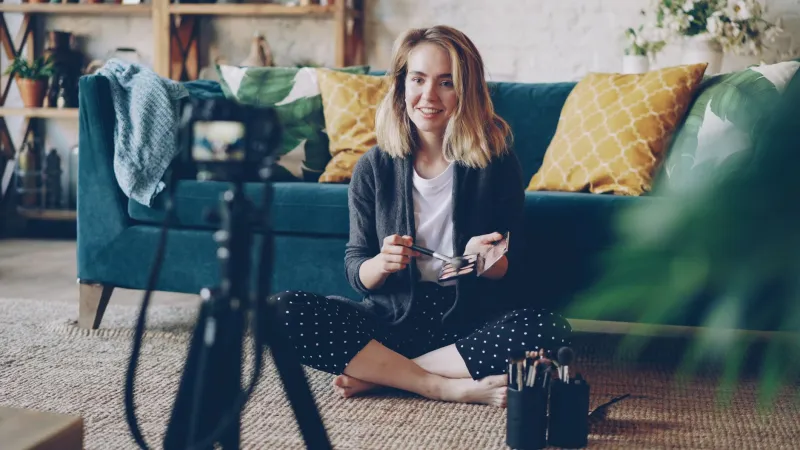
Here's a scene you've probably scrolled past a hundred times: a creator sits in front of their camera, no ring light, slightly unflattering angle, voice a little shaky. They say something like, "I wasn't going to post this, but I feel like I need to be honest with you guys." Then they deliver a carefully structured monologue about a personal struggle, hit record, edit it down to the most affecting 90 seconds, add a trending sound underneath, and post it during peak engagement hours.
Authentic? You tell me.
The authenticity paradox is one of the defining tensions of digital culture right now, and it goes deeper than just calling out influencer hypocrisy. It's a structural problem — one baked into the very platforms that reward vulnerability, relatability, and rawness. Because the moment you start performing those things for an audience, something fundamental changes. Even if the feeling is real, the act of packaging it for consumption makes it something else entirely.
How 'Real' Became a Trend
The push toward authenticity online didn't come from nowhere. It was a direct reaction to the polished, aspirational influencer era of the mid-2010s — the age of perfectly staged flat lays, beach-body transformations, and lifestyle content so curated it looked more like a luxury catalog than a human life.
Gen Z, who grew up watching that content and often feeling terrible about themselves as a result, pushed back hard. They championed "de-influencing," celebrated body neutrality, called out #sponcon when it wasn't disclosed. They demanded that their favorite creators show the mess behind the highlight reel.
Creators responded. And brands, sensing an opportunity, responded too.
Suddenly, "authentic" became a content strategy. The messy bun replaced the blowout. The "real skin" close-up replaced the airbrushed selfie. The "this is what I actually look like" post became its own genre, complete with predictable structure, reliable engagement spikes, and, increasingly, product integrations.
"Authenticity got commodified almost immediately," says digital media critic Tonya Reeves, who writes about platform culture. "The second brands figured out that raw, unpolished content converted better than glossy ads, the whole aesthetic got reverse-engineered. Now 'authentic' is just a visual language that anyone can deploy, regardless of whether there's actual vulnerability behind it."
The Messy Era as Aesthetic Choice
Nothing illustrates this better than the "messy vulnerable era" trend that swept through creator culture over the past couple of years. Creators announcing that they were "in their era" of not having it together — the chaotic apartment, the unwashed hair, the emotional check-ins — became a content format so recognizable it spawned its own parody accounts.
Which raises a thorny question: if everyone is performing messiness, is anyone actually being messy?
Kai, a 26-year-old who creates content about mental health and self-improvement in Los Angeles, is refreshingly candid about the contradiction. "I post about my anxiety a lot. And it is real — I genuinely struggle with it. But I also think about how to frame it. What angle makes it land better. What I leave out. So is it authentic? I honestly don't know anymore."
This kind of self-awareness is itself part of the new authenticity playbook. Meta-commentary — acknowledging that you're aware of the performance — has become a way of signaling realness without actually dismantling the performance. "I know this is a weird thing to post, but" is the new disclaimer. It doesn't interrupt the artifice. It just adds another layer to it.
Strategic Oversharing and Its Discontents
The pressure to share personally online has also created a culture of what some researchers are calling "strategic oversharing" — disclosing personal information not purely for connection but to build trust, relatability, and, ultimately, an audience.
This isn't necessarily cynical. Humans are complicated. You can genuinely want to connect and be aware that vulnerability performs well. Both things can be true simultaneously. But the effect on audiences is worth examining.
When vulnerability becomes a content category — when there's an established format for how a breakdown should look, how a confession should be structured, how grief should be captioned — it creates a weird feedback loop. Audiences start expecting emotional disclosures. Creators feel pressure to deliver them. And genuine, unperformed feeling gets harder to recognize because it's surrounded by so many convincing imitations.
"I've started being skeptical of content that makes me feel too much, too fast," admits Dara, a 23-year-old in Philadelphia. "Like, if a creator's post hits all my emotional buttons in the first ten seconds, I find myself wondering if it was engineered to do exactly that. Which is kind of a sad way to experience someone else's story."
Is Genuine Connection Still Possible?
This is the real question lurking underneath all of it — and the answer is probably yes, but it's getting harder to find.
Genuine connection online still exists. It happens in comment sections where someone says something small and true and a hundred strangers recognize themselves in it. It happens in niche communities where the barrier to entry is caring deeply about something specific enough that performative participation doesn't really pay off. It happens in the spaces that are too small, too unglamorous, or too weird to bother performing for.
The tragedy of authenticity culture is that its own success undermined it. By making rawness desirable — by rewarding it with followers and brand deals and cultural cachet — the internet created an incentive structure that turns every genuine impulse into a potential content opportunity.
Maybe the most authentic thing you can do online in 2024 is resist the urge to share the authentic moment at all. But then again, if you told people you were doing that, it would just become another kind of performance.
The loop is real. And it's very, very hard to exit.