Infinite Options, Same Old Show: Why Gen Z Keeps Hitting Replay Instead of Play
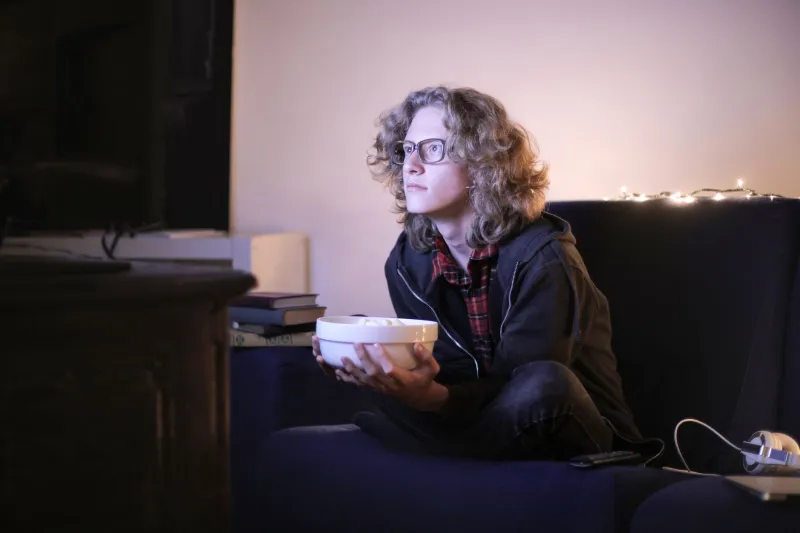
Here's a fun little irony to sit with: the generation that grew up with literally every movie, show, and series ever made available at their fingertips is… rewatching Friends for the fourth time. Again. On purpose.
It sounds counterintuitive. Maybe even a little sad if you're the type who keeps a running watchlist. But the comfort rewatch is one of the most quietly dominant viewing habits among younger audiences right now, and the psychology behind it says a lot more about the modern media landscape than any algorithm-driven recommendation ever could.
The Paradox of Too Much Choice
Remember when having 500 channels felt overwhelming? Now we've got dozens of streaming platforms, each with thousands of titles, updated constantly, with personalized rows telling you what you should want to watch next. It's a content buffet that never closes.
And yet — decision fatigue is real, and it hits hard when the stakes feel weirdly high. Picking a new show is a commitment. You're investing hours, maybe seasons, into characters and storylines you know nothing about. What if it gets canceled before the ending? What if it's just... not good? What if you spend three episodes waiting for it to get interesting and it never does?
Rewatching something you already love removes all of that friction. You know the ending. You know which episodes slap and which ones you can half-watch while scrolling. There's zero risk involved, and your brain — perpetually overstimulated and under-rested — finds that deeply appealing.
Your Brain Actually Loves the Rerun
Psychologists have a term for it: narrative transportation. When you're deeply familiar with a story, you can slip into it more completely because you're not doing the cognitive work of tracking new characters, new plot threads, or new worlds. You're just... there. Comfortable. Safe.
For Gen Z specifically — a cohort that's spent their formative years navigating a global pandemic, economic anxiety, and the relentless churn of social media — that sense of safety isn't a small thing. It's practically medicinal. Rewatching Gilmore Girls or Avatar: The Last Airbender isn't just nostalgia for nostalgia's sake. It's a genuine emotional regulation strategy.
There's also something to be said for the way familiar media functions like a comfort object. The same way a worn-in hoodie feels better than a brand-new one, a show you've seen six times carries an emotional texture that something fresh simply can't replicate. You've laughed at those jokes before. You've cried at that scene. The feelings are pre-loaded.
The Nostalgia Economy Is Paying Attention
Hollywood noticed. Of course it did.
The explosion of reboots, revivals, and legacy sequels over the past decade isn't just creative laziness — it's a calculated response to viewing data that streaming platforms have been quietly sitting on. When Netflix sees that a significant chunk of its Gen Z users are rewatching That '70s Show on repeat, the logical next move is... That '90s Show. When Disney+ clocks the rewatch numbers on early-2000s animated classics, suddenly every beloved IP gets a live-action treatment.
This creates a feedback loop that's reshaping what gets greenlit in the first place. Original, risky, genuinely new content has a harder sell when executives can point to metrics showing that familiar IP performs more reliably. The comfort rewatch habit isn't just a personal quirk — it's actively influencing what gets made, funded, and marketed to younger audiences at scale.
The Streaming Platform Problem
Here's where it gets a little ironic for the platforms themselves. The entire value proposition of Netflix, Max, Hulu, and their competitors is volume — the promise that there's always something new to discover. But if a huge portion of their most engaged users are treating the platform like a personal DVD collection of old favorites, the new content arms race starts to feel a little hollow.
Some platforms are leaning into it. Netflix has made a point of licensing catalog titles that drive rewatch behavior — the Schitt's Creek and New Girl acquisitions weren't accidents. Others are experimenting with how they surface familiar content, making it easier to find comfort watches rather than burying them under rows of new releases.
But there's tension here. Studios still need people to watch new things to justify production budgets. The comfort rewatch might be great for subscriber retention, but it doesn't exactly help when you've spent $200 million on an original series nobody's clicking on.
Not All Nostalgia Is Created Equal
It's worth noting that Gen Z's relationship with "old" media is a little more complicated than pure nostalgia. Some of what they're rewatching isn't even their own childhood content — it's stuff from the '90s and early 2000s that they discovered through the internet, through TikTok edits and fan accounts and older siblings.
There's a whole category of shows and movies that Gen Z has essentially adopted retroactively. Buffy the Vampire Slayer. The Sopranos. Even older films that went viral through meme culture. The comfort rewatch, in these cases, isn't about personal nostalgia at all — it's about belonging to a cultural conversation, being part of a community that formed around a piece of media long after it originally aired.
That's a genuinely new phenomenon, and it complicates the simple narrative that young people are just scared of new things.
So Is Discovery Dead?
Not quite. Gen Z is still watching new content — they're just more selective about what earns that first-time investment. Word of mouth carries enormous weight. A show that blows up on TikTok, that generates genuine fan conversation, that feels like an event — that can still pull people away from their comfort rewatches.
The Bear. Abbott Elementary. Severance. These shows broke through not because an algorithm recommended them but because they generated the kind of cultural buzz that made watching them feel socially necessary. The barrier to entry for new content isn't impossible — it's just higher than it used to be.
What's shifted is the default setting. The baseline behavior, when nobody's telling you what to watch and you just want to feel good, is increasingly the rewatch. New stuff has to earn its way past that.
The Bigger Picture
At its core, the comfort rewatch trend is less about Gen Z being lazy or uncurious and more about what happens when choice becomes overwhelming and the world feels like a lot. Familiar media is one of the few spaces where the outcome is guaranteed, the emotional payoff is known in advance, and nothing is going to surprise you in a way you didn't sign up for.
In a media landscape that's constantly demanding your attention and your emotional energy, sometimes the most radical thing you can do is put on something you've already seen and just let it be good.
The streaming platforms can keep dropping new content. Gen Z will get there eventually. Right after this rewatch.