Luxury Illusions: How TikTok Turned Budget Shopping Into the Biggest Power Move of the Decade
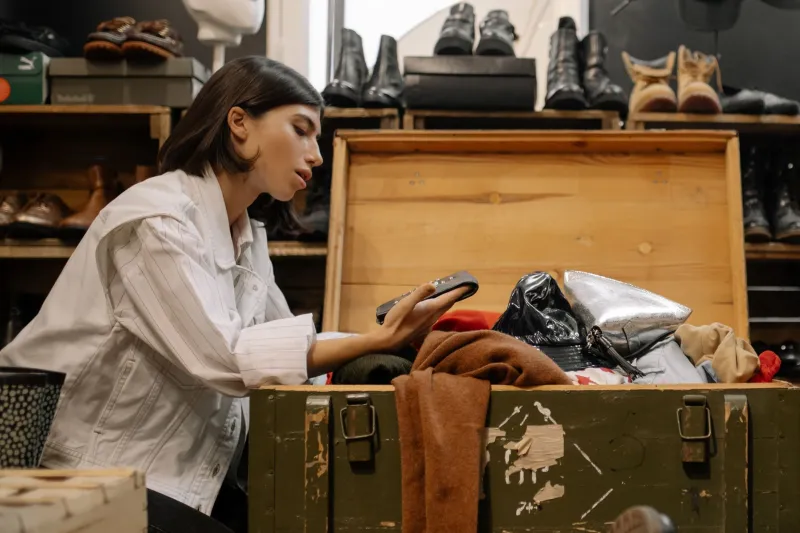
There's a particular kind of satisfaction in watching someone pull a $12 thrifted blazer out of a crinkled paper bag, style it with a $6 Amazon belt dupe, and somehow look like they just stepped off a Milan runway. That's not an accident. That's strategy — and Gen Z has turned it into an art form.
Welcome to the era of the luxury illusion, where the goal isn't necessarily to own expensive things, but to look like you do. And TikTok? It's basically the Harvard Business School of budget flexing.
The Psychology Behind the Flex
Let's be real: this generation didn't invent the concept of looking rich on the cheap. But what makes the current moment different is the intentionality behind it. Gen Z isn't just thrifting because they have to — they're doing it as a statement.
Research in consumer psychology has long linked luxury signaling to social belonging and self-worth. But younger consumers, many of whom entered adulthood during economic uncertainty, rising rent prices, and student loan chaos, have flipped the script. The new status symbol isn't the price tag. It's the knowledge — knowing where to look, how to style, and when to splurge versus when to swap.
Psychologists call this "compensatory consumption" — using accessible goods to project a desired identity. Gen Z has turbocharged this concept by making the process of finding the dupe or the thrift score just as aspirational as the item itself. The hunt is the content.
TikTok as the Ultimate Style Cheat Code
If you've spent more than ten minutes on TikTok's fashion side (affectionately known as #FashionTok), you already know the drill. Creators are building entire audiences around "get the look for less" content — breaking down celebrity outfits, luxury brand aesthetics, and runway trends into shoppable, budget-friendly alternatives.
Hashtags like #dupe, #thriftflip, and #luxurylook have collectively racked up billions of views. And it's not just about finding cheap alternatives anymore. Creators are teaching followers how to think about fashion — what silhouettes read as expensive, which fabrics elevate a look, and how strategic color choices can make a $20 dress look like it belongs in a Neiman Marcus window.
Accounts like @oldloserinbrooklyn (with millions of devoted followers) have built loyal communities around the idea that style is a skill, not a spending limit. Meanwhile, the "quiet luxury" aesthetic — think neutral tones, clean lines, minimal branding — became a full-blown TikTok movement partly because it's easier to fake. No logo, no problem.
Thrift Stores, Dupes, and the Secondhand Glow-Up
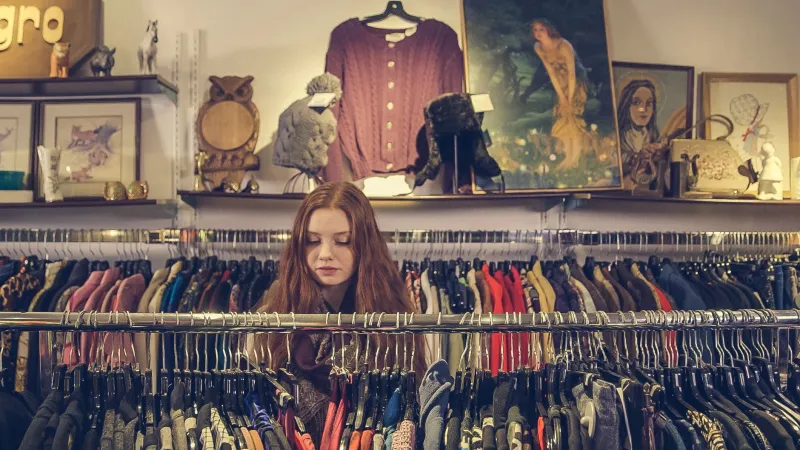
Thrift shopping has had a serious reputation upgrade. What was once associated with necessity has been rebranded as sustainability, creativity, and cultural savviness. Platforms like Depop, ThredUp, and Poshmark have become hunting grounds for Gen Z shoppers looking for vintage gems — and the resale market is projected to hit $350 billion globally by 2027, according to ThredUp's annual resale report.
But the dupe economy runs parallel. Amazon storefronts, SHEIN hauls, and Temu finds are being dissected and styled with the same seriousness that fashion editors once reserved for Paris Fashion Week coverage. The key shift? The shame is gone. Saying "it's a dupe" isn't an admission of defeat — it's a flex in itself. It signals that you're smart enough not to overpay.
Brands are starting to take notice, too. Some luxury labels are quietly anxious about a generation that's perfectly happy buying their aesthetic without buying their product. Others are leaning in, collaborating with budget-friendly retailers in moves that feel less like sellouts and more like survival.
When Fast Fashion Gets Complicated
Not everything about this trend is a clean win, though. The dupe economy has a complicated relationship with fast fashion — and Gen Z is aware of it, even if the conversation is messy. The same generation that celebrates eco-consciousness (see: the thrift flip, the vintage haul) also drives enormous demand for ultra-fast fashion platforms that have serious environmental and labor concerns.
It's a tension that plays out openly on TikTok itself, with creators debating the ethics of budget fashion in real time. Some argue that thrifting is the ultimate sustainable choice. Others point out that the resale market has its own gatekeeping problems, with gentrification of thrift stores pricing out the communities that relied on them.
There are no easy answers, and Gen Z isn't pretending there are. The conversation is loud, ongoing, and refreshingly honest — which is maybe the most Gen Z thing about all of it.
The Bigger Picture: Redefining What 'Made It' Even Means
At its core, the budget luxury movement is about more than fashion. It reflects a generation redefining success on its own terms. When homeownership feels out of reach and traditional markers of "making it" seem increasingly distant, controlling your aesthetic becomes a meaningful act of self-determination.
Looking expensive isn't about fooling anyone. It's about refusing to let your bank account dictate your self-expression. And in a world where a viral TikTok can make a $15 Amazon find sell out overnight, the rules of what counts as desirable are being written fresh every single day.
Gen Z didn't fake it till they made it. They made faking it the whole point — and honestly? The rest of us are taking notes.