Going Green Is the New Flex: How Gen Z Made Eco-Consciousness the Ultimate Status Symbol
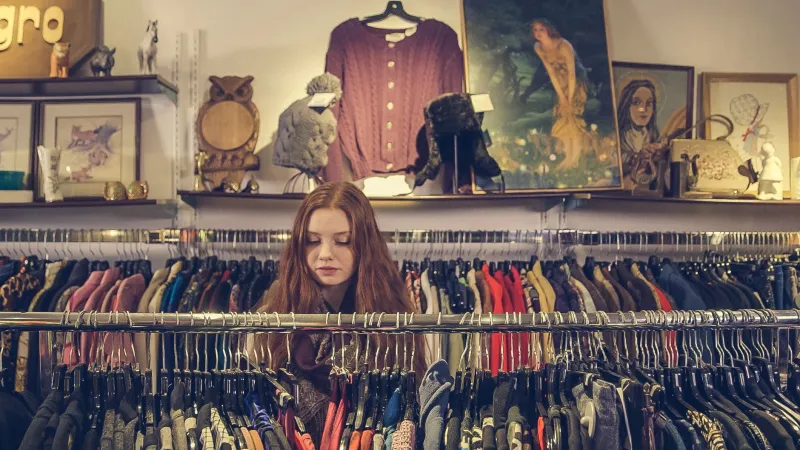
There's a new kind of flex happening on social media, and it doesn't involve a Supreme drop or a Birkin bag. It's a reusable tote from a zero-waste brand, a serum made with ethically sourced botanicals, and a closet full of pieces that come with a carbon footprint receipt. Welcome to the era of eco-luxury — where doing right by the planet is also doing right by your personal brand.
Gen Z didn't invent environmentalism, obviously. But they've done something genuinely new with it: they've turned it into social currency. And right now, that currency is spending like crazy.
The Numbers Don't Lie
A 2023 survey by First Insight found that a whopping 73% of Gen Z consumers said they'd pay more for sustainable products — compared to just 51% of Boomers. Meanwhile, market research firm NielsenIQ reported that products with ESG (environmental, social, and governance) claims grew nearly 28% over a five-year period, outpacing their conventional counterparts by a significant margin.
In the US specifically, sustainable fashion alone is projected to hit $33 billion by 2030, according to ThredUp's annual resale report. That's not a niche market. That's a movement with a serious economic backbone.
And what's driving it? A mix of genuine environmental anxiety, social media visibility, and — let's be real — a healthy dose of identity politics. For a generation that grew up watching climate reports get grimmer every year, aligning your wallet with your values isn't just feel-good. It's survival messaging.
Brands That Are Cashing In (Ethically)
A handful of brands have cracked the code on what Gen Z actually wants: transparency, aesthetics, and a story they can share.
Take Girlfriend Collective, the activewear label that makes leggings from recycled water bottles and publishes its factory audits publicly. Or Patagonia, which has been in the sustainability game for decades but has found a whole new Gen Z fanbase thanks to its no-nonsense activism and the viral moment when founder Yvon Chouinard gave the company away to fight climate change. That move? Deeply on-brand. Deeply shareable.
In beauty, brands like Ilia Beauty and Herbivore Botanicals have built devoted followings not just because their products perform, but because they tell a cleaner story — minimal packaging, transparent ingredient sourcing, and a visual identity that photographs beautifully on a bathroom shelf. That last part matters more than you might think.
"The product has to work and it has to look good on camera," said one micro-influencer with 80K followers who focuses on sustainable beauty content. "If I'm recommending something, my audience wants to know it's legit — not just greenwashed — but they also want to feel like they're part of something elevated. Eco doesn't mean crunchy anymore. It means considered."
The Greenwashing Problem
Here's where it gets complicated. Not every brand slapping a leaf emoji on its packaging is actually doing the work. Greenwashing — the practice of marketing products as environmentally friendly without meaningful sustainability efforts behind them — is rampant, and Gen Z knows it.
In fact, a 2022 study by the UK's Competition and Markets Authority found that 40% of green claims made online were potentially misleading. American regulators are catching up: the FTC's updated Green Guides are expected to crack down harder on vague terms like "eco-friendly" and "natural" with no verification to back them up.
Savvy young consumers have developed a near-sixth sense for spotting the fakes. They'll check a brand's B Corp certification, dig into its supply chain disclosures on its website, and consult Reddit threads before making a purchase. Community-driven vetting has become a cornerstone of this market — and brands that can't survive the scrutiny are getting called out fast.
Influencers as Eco Gatekeepers
The influencer landscape around sustainability has matured considerably. Gone are the days when a single "conscious living" post was enough to establish credibility. Today's eco-influencers are more like investigative journalists crossed with lifestyle curators — they do the research so their followers don't have to.
Creators like Imogen Allen (@sustainably_vegan on TikTok) and Aditi Mayer (who blends labor rights and sustainable fashion on Instagram) have built trust-first audiences that are highly engaged and fiercely loyal. Brands that partner with these creators aren't just buying reach — they're buying endorsement from someone their audience actually believes.
And the content formats are evolving too. "Brand audit" videos, where a creator investigates a company's sustainability claims in real time, regularly rack up millions of views. "Thrift haul" content has exploded on TikTok, reframing secondhand shopping as aspirational rather than a necessity. Even "de-influencing" — the trend of telling people not to buy things — has become its own form of eco-adjacent content that paradoxically builds audience trust (and, eventually, purchasing intent).
Is It Actually Changing Behavior?
The cynical read is that eco-luxury is just capitalism with better PR — that slapping a recycled label on a $180 hoodie doesn't actually save the planet. And that critique has merit. True systemic change requires policy, infrastructure, and corporate accountability at a scale that no amount of ethical consumerism can fully substitute for.
But the optimistic read — and there's real data to support it — is that this cultural shift is moving the needle in measurable ways. Resale platforms like Depop, Poshmark, and ThredUp are diverting millions of garments from landfills annually. Brands are being pushed to adopt more transparent supply chains because their customers are demanding it. And an entire generation is building the habit of asking "where did this come from?" before swiping their card.
That habit, multiplied across tens of millions of consumers, adds up.
The Vibe Shift That Stuck
There have been plenty of predicted "vibe shifts" in recent years that fizzled out within a few news cycles. But eco-luxury feels different — stickier, more structurally embedded in how Gen Z thinks about identity, community, and aspiration.
Being sustainable isn't a phase for this cohort. It's a lens they apply to everything: what they wear, what they eat, who they follow, and what they buy. And as their collective spending power grows — Gen Z is expected to become the largest consumer demographic in the US by 2030 — the brands, retailers, and platforms that have already fluent in this language will have a serious head start.
The emerald economy is open for business. And the admission price is authenticity.