The 'No Filter' Lie: How Perfectly Imperfect Content Became the New Perfection
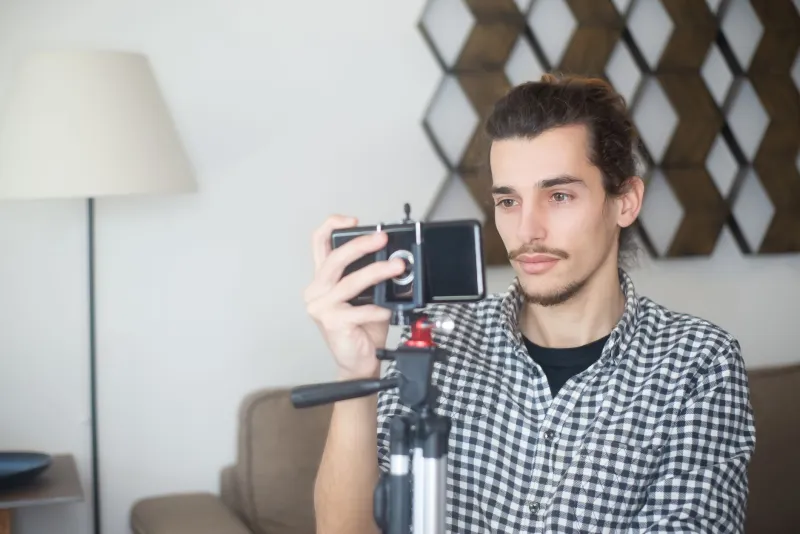
Let me paint you a picture. A creator sits in their car. The lighting is slightly too warm, a little grainy. They're wearing a hoodie. They pause mid-sentence, laugh uncomfortably, say "okay, this is going to sound weird." Then they deliver a perfectly paced, emotionally resonant three-minute monologue that hits every beat with the precision of a seasoned screenwriter.
This is raw content. This is authentic. This is, if we're being honest with each other, a performance.
And Gen Z — the generation that built its entire cultural identity around calling out fakeness — is its most devoted audience.
The Backlash That Became a Brand
To understand where we are, you have to understand where we came from. The Instagram aesthetic era of the mid-2010s was a particular kind of cultural crime: perfectly lit flat lays, Valencia-filtered brunches, impossibly symmetrical travel photos that made everyone's life look like a Pinterest board that had achieved sentience. It was aspirational to the point of alienation, and by the late 2010s, audiences — especially younger ones — were exhausted by it.
The backlash was real and it was justified. BeReal launched on the premise of simultaneous front-and-back camera captures at random times, explicitly designed to catch people off-guard. TikTok's early culture rewarded shaky phone footage and bedroom lighting. "Dump" posts — careless-looking photo collages with no apparent curation — became the dominant aesthetic on Instagram among Gen Z users. The message was clear: we see through your highlight reel.
Except here's the thing about backlash aesthetics: they become aesthetics. The moment "looking unpolished" becomes the goal, people start working very hard to look unpolished in exactly the right way.
The Craft Behind the Casualness
Spend any time studying the accounts that dominate Gen Z's attention and the craft becomes visible once you know to look for it. The "messy" bedroom in the background is almost always the same strategic arrangement of meaningful objects — a record player, a stack of books with legible spines, a plant that's thriving but not too thriving. The pauses and stumbles in a "raw" video are edited: the actual stumbles get cut, and the ones that remain are the ones that read as charming rather than incoherent.
The graininess is often added in post. The "natural" lighting is frequently a ring light with diffusion. The "no makeup" look on TikTok has spawned an entire product category — "your skin but better" foundations specifically marketed as invisible — and tutorials with millions of views dedicated to achieving it.
This isn't hypocrisy, exactly. It's just what happens when any aesthetic gets codified. The rules of "authentic-looking" content are as specific and learnable as the rules of any other visual language. The difference is that this one comes with a claim attached — and that claim is what makes it worth examining.
Authenticity as Competitive Advantage
Here's the uncomfortable business reality underneath all of this: authenticity performs. Brands figured this out around 2018 and have been chasing it ever since, with results that range from genuinely refreshing to deeply cynical.
Wendy's Twitter persona. Duolingo's unhinged TikTok owl. The Liquid Death marketing strategy that builds an entire identity around anti-corporate posturing while being, unmistakably, a corporation. These are sophisticated media strategies that use the language and aesthetics of authenticity to build parasocial brand relationships. They're brilliant. They're also the logical endpoint of what happens when "realness" becomes a marketing category.
For individual creators, the authenticity premium is even more pronounced. Audiences consistently report higher trust, stronger emotional connection, and greater purchasing intent toward creators who feel "genuine" — which in practice means creators who have mastered the aesthetic of genuineness. The irony is so thick you could cut it.
What Gen Z Actually Means by "Real"
To be fair to Gen Z here — and fairness requires acknowledging that this generation is frequently misread by older observers — the demand for authenticity isn't entirely naive. What Gen Z is often responding to isn't production quality per se, but emotional truthfulness.
A video can be well-lit and still be honest. A post can be edited and still reflect a genuine experience. The frustration that drove the anti-polish movement wasn't really about filters — it was about the performance of a life that bore no relationship to any life actually being lived. Aspirational content that excluded pain, complexity, failure, and ordinariness.
In that sense, the shift has produced something genuinely valuable. Mental health conversations that would have been unspeakable on social media in 2015 are now mainstream. Creators talk openly about financial struggle, relationship failure, body image, and burnout. That content isn't unproduced — but the emotional substance of it is often real in a way that the Instagram era's highlight-reel culture wasn't.
The problem isn't that Gen Z wants authenticity. The problem is that "authenticity" has become a style, and styles can be mimicked without the substance.
The Transparency Trap
The deepest contradiction in the authenticity era is what we might call the transparency trap. The more a creator performs openness, the harder it becomes to know what's actually being withheld. The strategic vulnerability — sharing just enough struggle to seem relatable, just enough mess to seem real — can function as a kind of misdirection, drawing attention to the curated imperfections while the actual private life remains completely off-limits.
This isn't a criticism of any particular creator. It's a structural feature of building a public persona in an environment that rewards intimacy. You have to share something. What you choose to share, how you frame it, when you release it — that's always a production decision, whether you're conscious of it or not.
The most honest thing any creator could probably say is: "This is a version of me that I've chosen to make available to you." But that doesn't quite have the same ring as "no filter."
So What Do We Do With This?
None of this means you should stop watching your favorite creators or that everything you enjoy is fake. It means developing a slightly more sophisticated relationship with the content you consume — one that can hold two things at once: this person is performing, and something real is happening here.
Authenticity isn't a binary. It's a spectrum, and most interesting content lives somewhere in the middle — crafted enough to communicate clearly, honest enough to actually connect. The lie isn't that creators perform. The lie is that performing and being real are mutually exclusive.
The car monologue can be scripted and still true. The dump photo can be curated and still capture something genuine. The hoodie can be chosen deliberately and still be someone's actual hoodie.
Just maybe stop calling it unfiltered. We all know better now.