Boredom Is Canceled: Inside the Industry Engineered to Fill Every Empty Second of Your Life
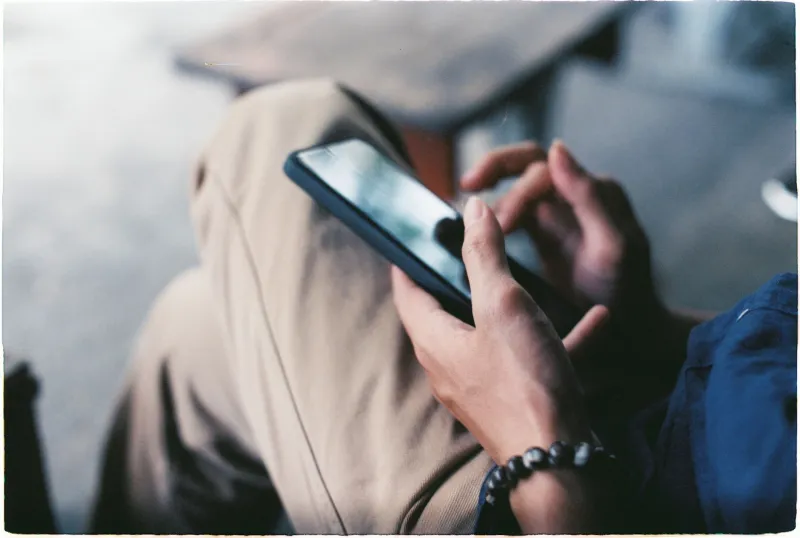
Remember waiting? Like, actually waiting — standing in a line at the DMV, sitting in a doctor's office, riding an elevator — without immediately reaching for your phone? If you're struggling to recall what that felt like, you're not alone. And you're not weak-willed. You've been engineered.
The micro-entertainment economy is one of the most successful — and least discussed — industrial projects of the last decade. It's the reason your thumb moves before your brain does. It's the reason a 45-second wait for a rideshare now feels intolerable. And it is, without exaggeration, a billion-dollar machine built specifically around the architecture of your boredom.
The Science of the Tiny Hit
Here's the basic mechanic. Your brain releases a small burst of dopamine in anticipation of a reward — not necessarily when you receive it, but when you expect it. Slot machines figured this out decades ago. Short-form content platforms figured out how to apply it to video.
The 15-second content format wasn't an accident. It wasn't a creative choice. It was an optimization. Internal research at major platforms showed that engagement — time spent, return visits, share behavior — spiked when content was kept short enough to create a perpetual sense of incompleteness. You're never quite satisfied. You're always just about to be. So you scroll.
This is sometimes called a variable reward schedule, and it's the same psychological mechanism behind gambling addiction. The difference is that it's been normalized, aestheticized, and delivered through an app your parents use to watch cooking videos.
The Habit-Stack Economy
Beyond social media, an entire ecosystem of products has been built around the concept of habit stacking — the idea that you can attach a new behavior to an existing one until it becomes automatic. Duolingo reminds you to practice Spanish while you're brushing your teeth. Fitness apps push notifications timed to your commute. Meditation platforms schedule gentle nudges for the exact moment you typically feel afternoon anxiety.
This isn't wellness. Well — it's wellness-adjacent. But it's primarily commerce. Every one of those touchpoints is a subscription retention mechanism dressed up in the language of self-improvement.
The subscription economy itself has quietly restructured around this logic. The goal is no longer to sell you something. The goal is to become a habit — something you don't consciously choose every day, but that sits in your life like furniture. Netflix understood this early. Spotify understood it. Now every vertical from luxury skincare to pet food to news media is chasing the same model: get into the daily rhythm of your life and never leave.
Dating Apps and the Gamification of Loneliness
Nowhere is the dopamine economy more visible — or more ethically thorny — than in dating apps. The swipe mechanic is, by design, a slot machine. Attractive interface, fast feedback, variable outcomes. The apps don't actually want you to find a relationship quickly. A successful match that leads to a deleted app is a lost customer.
This is why so many dating platforms have leaned harder into features like "boost" timers, streak mechanics, and limited daily swipes that reset at specific times. These aren't features that help you find love. They're features that create compulsion loops — reasons to return to the app even when you're not actively looking to meet someone.
Some platforms have started marketing themselves on the opposite premise. "Slow dating" apps that limit daily matches to one or two, or that require longer written prompts before a match is made, have found a genuine niche. Whether they're actually different or just repositioning the same mechanics with better branding is, frankly, up for debate.
Luxury's Micro-Moment Problem
Here's a counterintuitive wrinkle in all of this: the dopamine economy is starting to eat luxury brands alive, and they know it.
Luxury has always sold exclusivity, patience, and the idea that quality takes time. A Hermès bag has a waitlist. A fine watch is meant to last generations. That entire value proposition depends on scarcity of experience — the idea that not everything is immediately available, and that the waiting is part of the meaning.
But consumers trained by the micro-entertainment economy increasingly struggle to sit with that. The same person who finds a 30-second TikTok too long to finish is being asked to wait eight months for a handbag. Luxury marketers are quietly panicking about this. Some are experimenting with short-form content that delivers tiny hits of aspiration — behind-the-scenes Reels, ASMR-style craft videos, 15-second runway clips — while trying not to erode the mystique that makes their products worth wanting.
It's a genuinely difficult needle to thread. And a lot of them are getting it wrong.
The Slow Culture Pushback
Not everyone is going quietly into the dopamine feed. A growing contingent of consumers — younger than you might expect — is actively building resistance to the micro-entertainment machine.
The "slow culture" movement isn't new, but it's picking up real momentum. Long-form podcasts are thriving in a supposedly short-attention-span world. Substack newsletters with 4,000-word essays have massive paid subscriber bases. Board game cafes are booked out on weekends in major cities. Analog hobbies — pottery, embroidery, darkroom photography — are having genuine cultural moments, not just aesthetic ones.
There's also a growing market for what some wellness researchers are calling intentional boredom — deliberately unstructured time with no content queue attached. Some therapists are prescribing it. Some productivity coaches are selling it. The fact that "doing nothing" has become a premium product tells you everything you need to know about where we are.
What You Can Actually Do With This Information
Knowing the mechanics doesn't automatically free you from them — that's the uncomfortable truth. But awareness does create friction, and friction is actually useful here. The micro-entertainment economy runs on frictionlessness. Every extra second between you and your next content hit is a second the platform might lose you.
So: add friction. Put your most compulsive apps on the second page of your phone. Turn off autoplay. Let yourself be bored in the elevator. It sounds almost embarrassingly simple, but it's genuinely countercultural in 2025.
The industry spent billions engineering your habits. Reclaiming even a few idle minutes a day is, in its own small way, a radical act.
And maybe — just maybe — that's where your next genuinely original idea is waiting.