Swipe Right on Your Soul: The Rise of the Emotional Home Screen
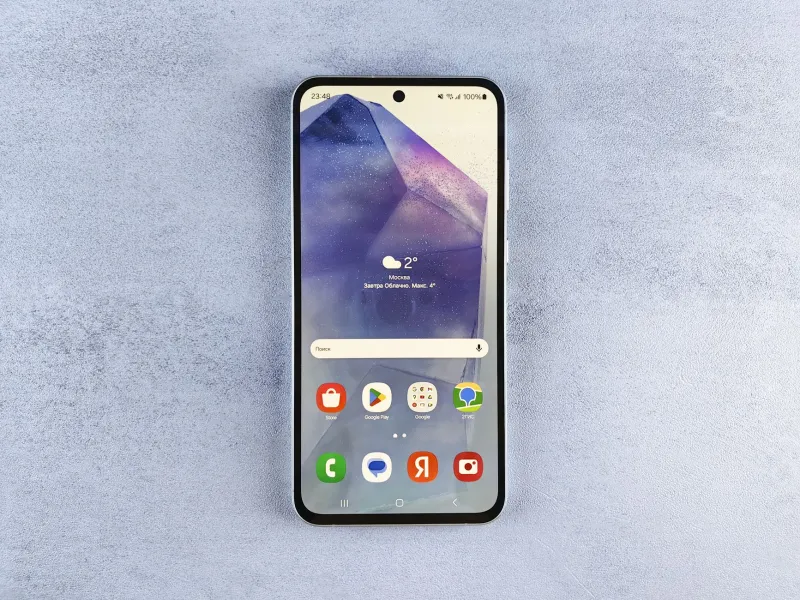
Let's be honest. At some point in the last two years, you've opened your phone settings not because something was broken, but because something felt off. Maybe the grid of apps looked too chaotic. Maybe the colors clashed with your current energy. Maybe you just downloaded a new widget and suddenly your entire aesthetic needed a rebrand.
Welcome to the dopamine menu era — where your home screen isn't just functional, it's deeply, intentionally you.
It's Not Vanity. It's Emotional Architecture.
Here's the thing that gets lost in the "people spend too much time on their phones" conversation: the way we organize our digital spaces is increasingly tied to how we regulate our moods. Psychologists have long studied how physical environments affect mental states — think about why some people need a clean desk to focus, or why lighting matters so much in a bedroom. The same logic applies to your phone.
Dr. Priya Mehta, a behavioral psychologist based in Chicago who works primarily with Gen Z clients, explains it this way: "When someone feels like their external environment is chaotic or uncontrollable, they'll look for small domains where they can exert control. Your phone is always in your hand. It makes sense that it becomes a site of emotional self-expression and regulation."
That's not a small insight. It reframes the whole aesthetic customization trend from a frivolous hobby into something closer to a coping mechanism — and a pretty effective one at that.
The Widget Economy Nobody Saw Coming
If you've been on TikTok or Pinterest in the last 18 months, you've seen the tutorials. "iOS aesthetic setup," "Android home screen makeover," "cottagecore widget layout" — these videos rack up millions of views, and they're not slowing down.
Behind the trend, though, is a genuinely surprising economy. Apps like Widgetsmith, which lets users build custom widgets with photos, colors, and fonts, have been downloaded tens of millions of times. Icon pack marketplaces on the App Store and Google Play are doing serious business. Designers on Etsy are selling custom app icon sets — some stores pulling in over $10,000 a month just from digital downloads of aesthetic icon packs.
Then there's the Bezel and Notion crowd, people who turn their phone or tablet into a fully themed productivity dashboard, complete with custom covers, color-coded databases, and curated font choices. It's part planner, part art project, part emotional sanctuary.
The market noticed. Companies like Brass — which makes premium widget customization tools — have raised venture capital on the premise that people will pay real money to feel good every time they unlock their phone. Spoiler: they will.
What Your Layout Is Actually Saying
Here's where it gets genuinely fascinating. The content of what people put on their home screens is just as revealing as the fact that they're customizing at all.
A 2023 survey by the digital wellness platform Skylight found that over 60% of respondents said their phone home screen "reflects who I want to be, not just what I use." That's a subtle but massive distinction. People aren't just organizing apps for efficiency — they're curating an aspirational identity. A vision board you check 96 times a day.
Some people front-load motivational quotes as widgets. Others build a grid of nature photos to counteract the anxiety of doomscrolling. There's a whole micro-trend of people removing social media apps from their home screen entirely — not deleting them, just burying them in folders — as a low-friction way to break the reflex grab.
"It's friction design, but self-applied," says Marcus Webb, a UX designer in Austin who consults for several app companies. "People are basically designing behavioral nudges for themselves. That's sophisticated. That used to be what we paid consultants to do for corporations."
The Dark Side of the Mood Board
Of course, it's not all pastel widgets and good vibes. There's a real risk that the customization obsession becomes another layer of avoidance — a way to feel productive without actually doing anything, or a new aesthetic rabbit hole that eats hours instead of saving them.
There's also the comparison trap. The same TikTok culture that shares beautiful home screen setups can make your perfectly decent layout feel embarrassingly basic. The trend has spawned its own aesthetic hierarchies, and for younger users especially, the pressure to have a "good" home screen can become weirdly stressful.
Dr. Mehta flags this tension directly: "Customization is healthy when it's expressive and calming. It becomes a problem when it's performative — when you're doing it for an imagined audience rather than for yourself."
How to Actually Hack Your Home Screen for Mood
If you want to get intentional about this (and honestly, why not?), here are some things that actually work, according to both designers and the people who study this stuff:
Lead with calm, not utility. Your most-used apps don't have to be front and center. Consider putting a calming image, a quote, or a weather widget as your visual anchor instead.
Color-code with intention. Warm tones — oranges, creams, soft reds — tend to feel energizing. Cool blues and greens lean calmer. Match your layout's palette to the energy you want to carry into your day.
The burial trick works. Social apps you want to use less? Move them off the home screen. The extra two seconds of friction is genuinely enough to break the auto-pilot habit for a lot of people.
Rotate seasonally. Several designers interviewed for this piece said they update their home screen with the seasons — not because they're bored, but because it creates a sense of intentional transition. It's a small ritual, and small rituals matter more than we give them credit for.
The Bigger Picture
What the emotional home screen trend is really telling us is something pretty profound about where we are right now. In a world that feels increasingly out of our hands — economically, politically, socially — people are finding micro-environments they can shape. Your phone is always there. It responds immediately. It reflects back exactly what you put into it.
That's not nothing. In fact, for a lot of people, it might be exactly enough.
The dopamine menu, it turns out, isn't really about dopamine at all. It's about authorship. The quiet, daily act of saying: this small corner of the world looks the way I want it to look. And in 2025, that might just be the most radical thing you can do.